Move Up Global - Umwete School & Community Gardens (Rwanda)
Growing Skills, Not Just Food
“Instead of providing food that runs out, we build the skills that endure. Children learn to grow vegetables, legumes, and fruit trees at school — bringing home both nourishment and a lifelong ability to feed their families.”
— Anatole Manzi, Founder, Move Up Global
Growing Skills, Not Just Food:
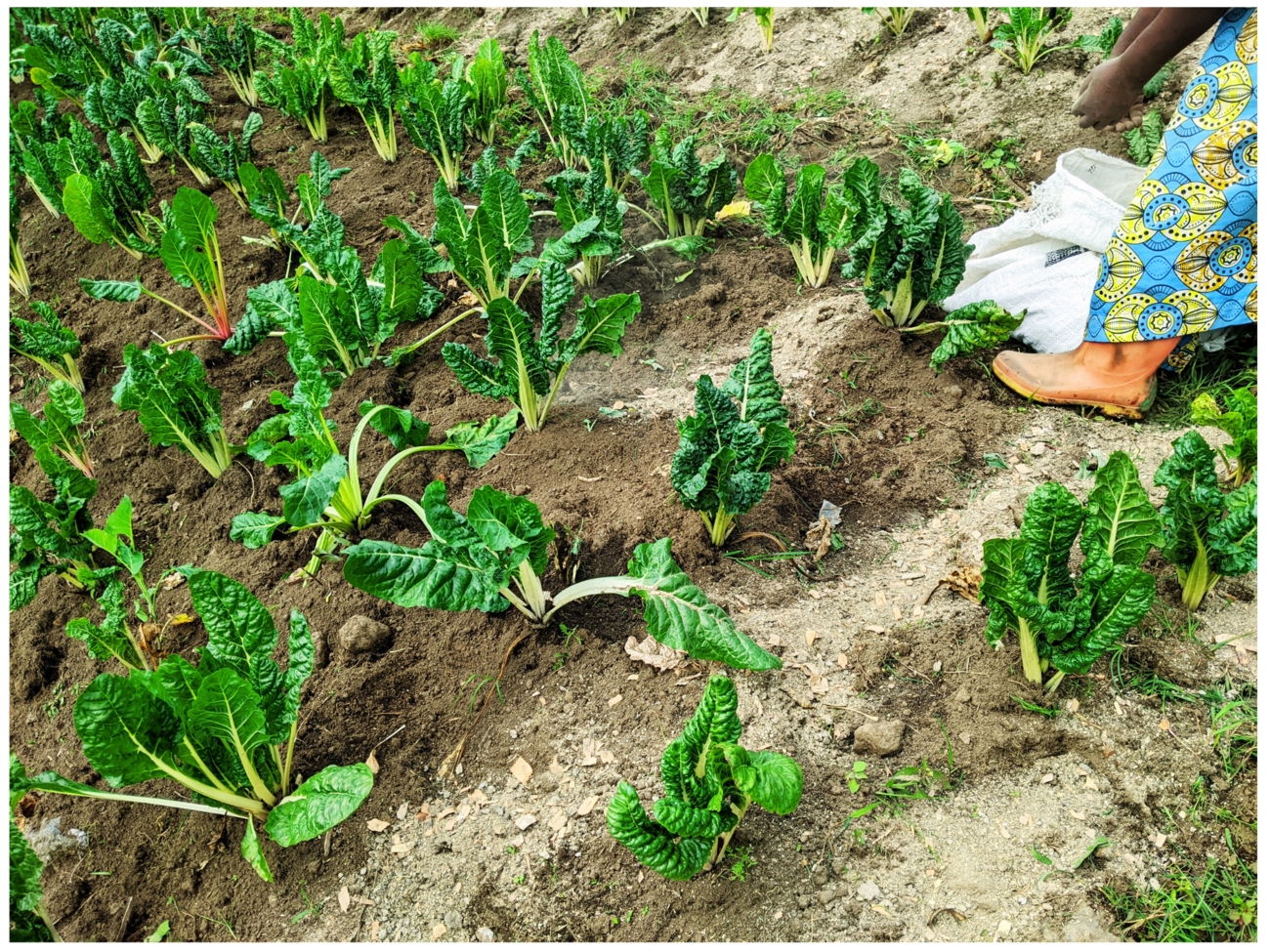
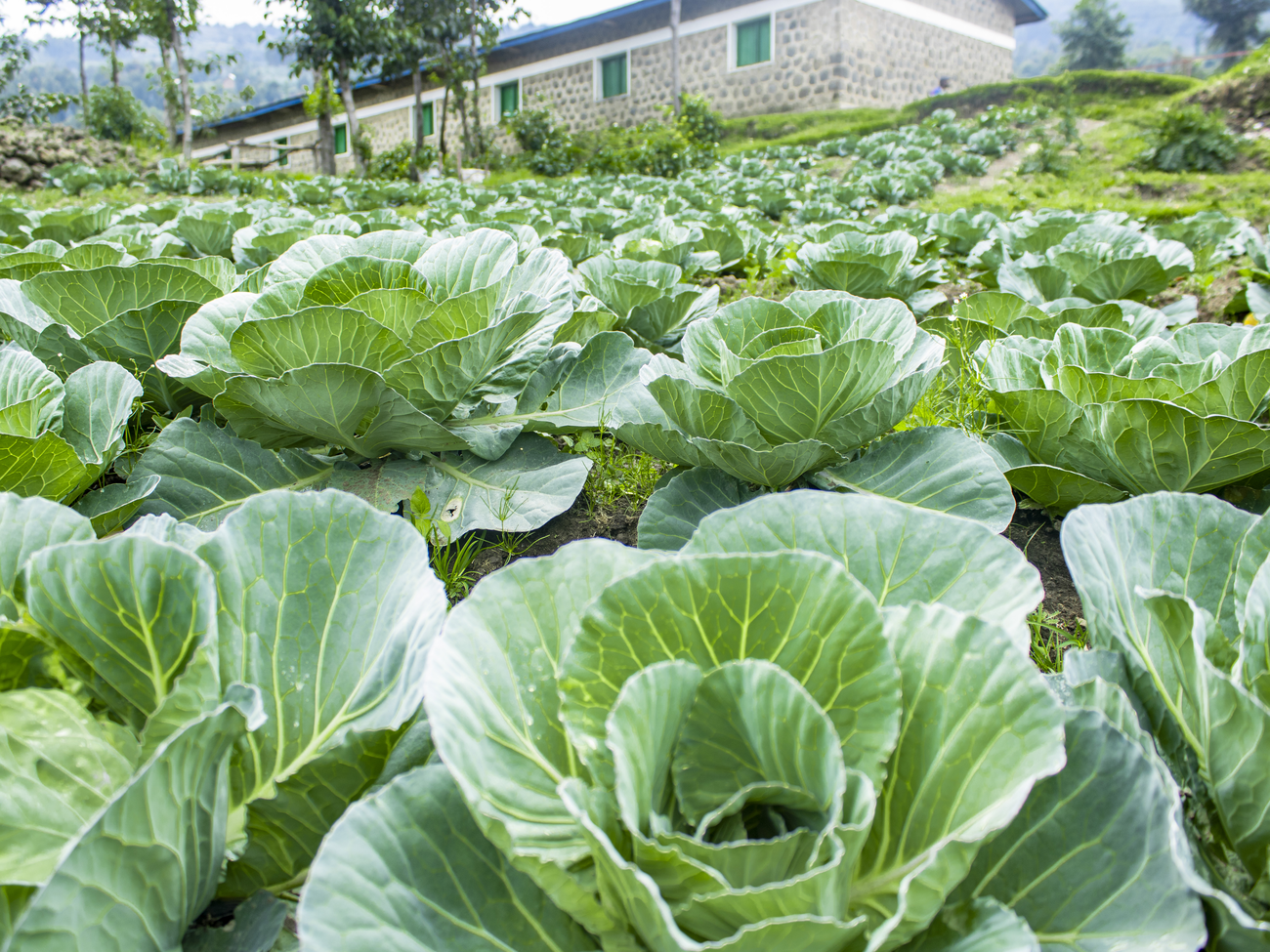
Move Up Global (MUG) and Plants‑Earth‑Life (PEL) are expanding the Umwete model in Musanze District, Rwanda—turning schools and a health center into hubs where children and caregivers grow, cook, and eat Planetary Health Diet (PHD) foods. The project adds Gatovu School and Gataraga Health Center, reaching 5,000 students and ~25,000 community members.
What’s different: We focus on skills transfer (gardening, seedlings, simple plant-forward cooking) so families take home both nutritious food and know‑how, building resilient home gardens that fight hidden hunger. We educate all – the students, the teachers and the parents.
Why this matters
The triple burden of malnutrition—food insecurity, micronutrient deficiencies (hidden hunger), and rising diet‑related NCDs—demands solutions that are food‑secure, affordable, and culturally rooted. By centering leafy greens, legumes and pulses, fruit, whole grains, nuts and seeds, this collaboration advances the Planetary Health Diet to:
- Boost dietary diversity and key micronutrients (iron, zinc, folate, vitamin A)
- Improve growth and cognition in children
- Lower lifetime risk of NCDs (hypertension, diabetes, CVD)
- Strengthen household food resilience
Our model (how it works)
1) School & Health‑Center Gardens
Set up and maintain productive gardens at Gatovu School and Gataraga Health Center; align with school feeding; provide starter seedlings for home gardens.
2) Garden Clubs & Workshops
Hands‑on sessions for students, parents, and teachers: soil basics, composting, water‑smart irrigation, crop rotation, seed saving, “PEL healthy plate” cooking demos.
3) Health Passports for Every Child
Simple child‑friendly booklets used by teachers/CHWs to track growth and reinforce nutrition messages.
4) Women & Girls Empowerment Hubs
Train women/adolescent girls in kitchen‑garden leadership, food processing, and micro‑enterprise; elevate women as lead trainers and coordinators.
5) From Seed to System
Nursery expansion → seedling distribution → home‑garden check‑ins → Communities of Practice to share tips, troubleshoot, and exchange seeds.
The Planetary Health Diet in action
- Grow & eat the rainbow: diverse vegetables (esp. leafy greens), legumes/pulses, fruit, whole grains, nuts/seeds
- Protein from plants: beans, peas, lentils, soy foods integrated into school meals and home recipes
- Healthy fats: nuts, seeds, groundnut/soy mixtures instead of ultraprocessed oils
- Local & seasonal first: reduce cost, improve freshness, and build local value chains
Expected outcomes
Short term (Year 1)
- 3 schools + 1 health center actively gardening
- 10,000+ seedlings distributed to households
- 20+ garden/cooking workshops; 5,000 Health Passports issued
- ≥70% female participation across trainings
Medium term (Year 2‑3)
- ≥50% of households sustain home gardens
- Higher dietary diversity scores; improved school attendance/performance
Long term
- Reduced acute malnutrition and stunting; stronger cognition and health outcomes
- Communities less dependent on food aid; durable, low‑cost food systems at home
Monitoring, Learning, & Sharing
Baseline/endline surveys, simple child growth tracking, garden adoption rates, dietary diversity scores, and focus groups. We iterate quickly and share playbooks with local partners and PEL’s global network.
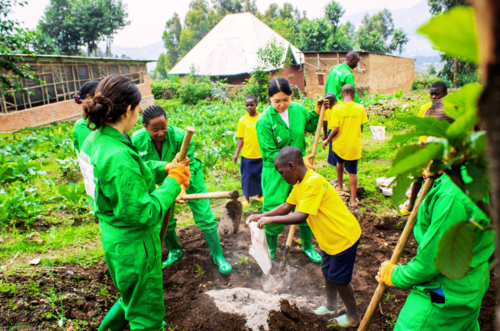
The Umwete Project directly aligns with PEL’s mission to foster sustainable food systems, ecological resilience, and gender equity. By rooting nutrition interventions in schools and health centers, engaging women as leaders, and fostering community solidarity through livestock sharing and seedling enterprises, the project delivers a holistic, replicable, and sustainable model.
Call to Action
Help us scale a model where children and caregivers grow, cook, and eat Planetary Health Diet (PHD) food by donating to PEL. Also, if you are interested in learning more about Move Up Global, please visit Move Up Global.