Switching to a plant-based diet is one of the most powerful steps you can take for your health—and the planet.
In just a few weeks, you can lower cholesterol, improve blood sugar, boost energy, and feel lighter, all while eating delicious, colorful meals.
The “how” is simple: build your plate around fruits, vegetables, whole grains, legumes, nuts, and seeds—skip the processed and animal-heavy foods.
Follow the 90-day PEL Challenge with the help of Diet ID, and you’ll not only see results but you set yourself up for lifelong health.
Transform Your Health in Minutes — On Us
Ready to take a simple, science-based look at your eating habits?
Through our partnership with Diet ID, you can get your personalized “diet vital sign” in under two minutes.
Whether you're participating in the PEL 90-Day Challenge or just beginning, this quick check-in gives you a clear, practical roadmap forward.
So Many Diets — One Clear Path
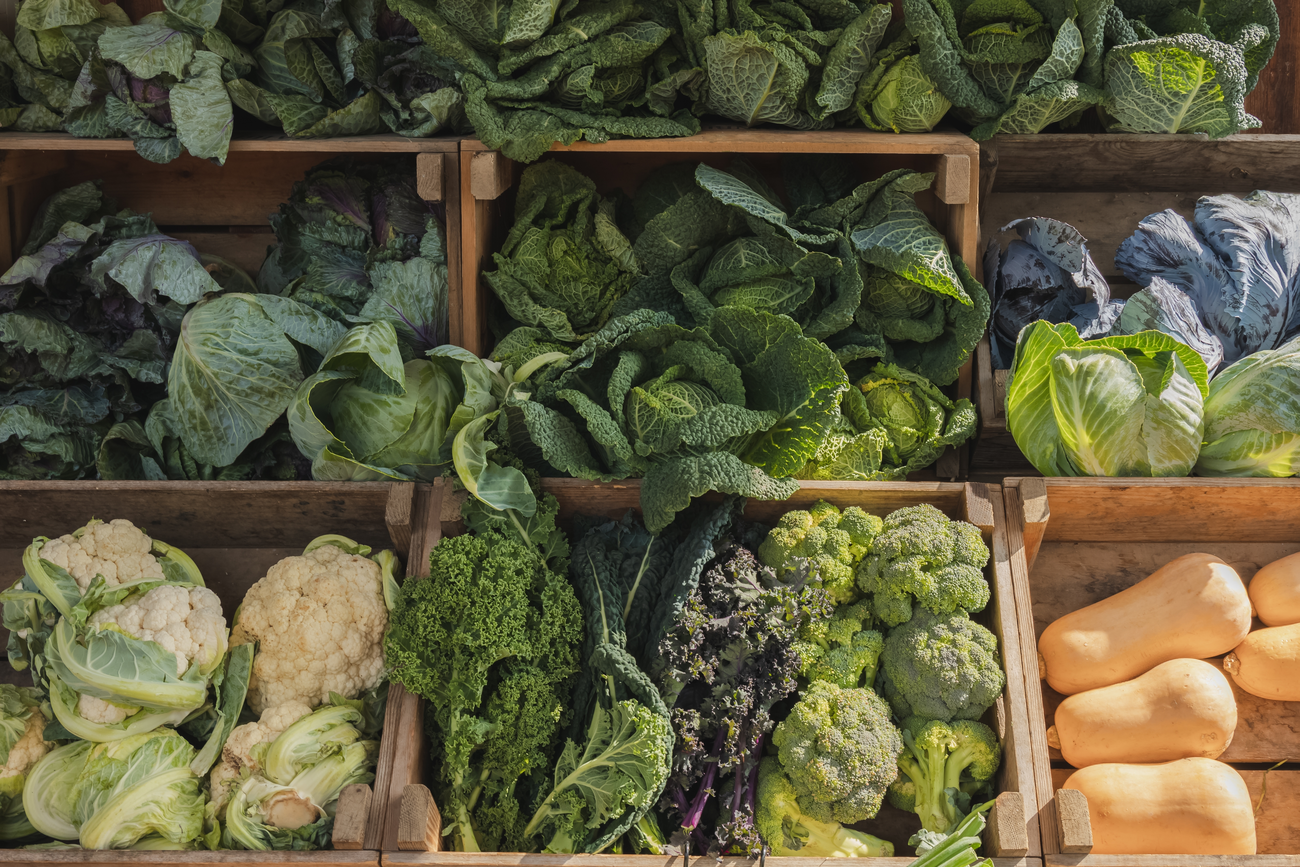
Vegan. Mediterranean. Flexitarian. Paleo. Keto. The diet world can feel like a noisy marketplace — each one promising the secret to health and longevity. But here’s the truth: not all “plant-based” or “healthy” diets are created equal. (After all, soda and fries can still be vegan.)
Across decades of research — from the EAT-Lancet Commission to Harvard’s Planetary Health Diet studies — the message keeps repeating: the closer we eat to whole, minimally processed plant foods, the longer and better we live.
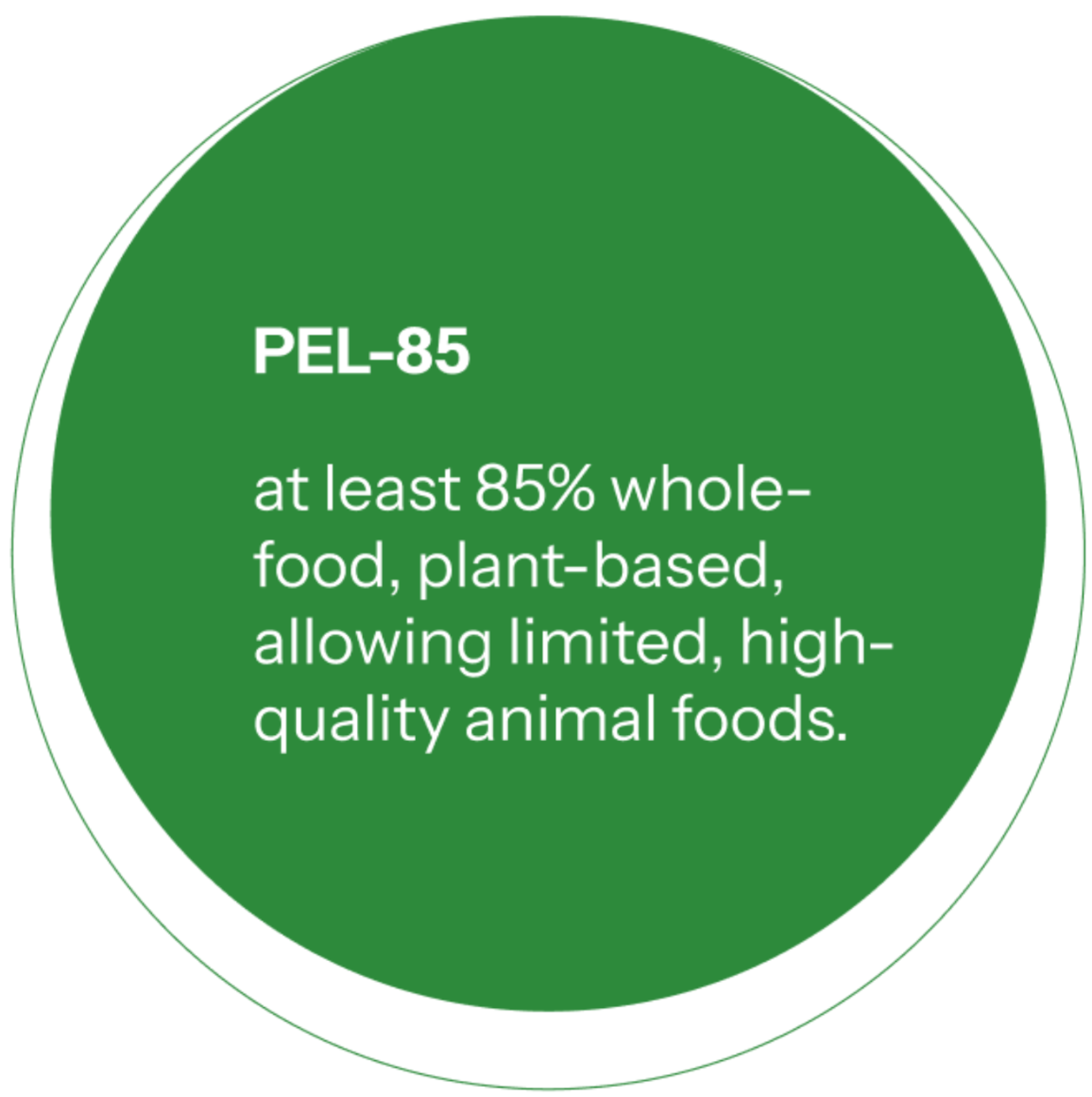
A PEL Diet is defined simply as a predominantly whole-food, plant-based way of eating. We are not insisting that everyone eat 100% plant-based. While some people choose to start at 100% and later add back selected foods, our core goal is much broader and more practical: to help people everywhere eat more whole, plant foods—for their own health and for the health of the planet.
The science is clear that benefits begin well before perfection. Moving from 30% to 50% plant-based, or from 50% to 70%, delivers meaningful improvements in longevity, metabolic health, and environmental impact. Wherever you are starting, and wherever you want to go, you are welcome here. PEL-85 and PEL-100 are not rigid rules—they are guideposts. Tools like the PEL 90-Day Challenge and Diet-ID are designed to meet you where you are and help you move forward at a pace that fits your life.
The 90-Day PEL Challenge
The Challenge is simple — but powerful: spend 90 days living on the PEL Diet, and experience what it feels like when your food truly fuels both you and the planet.
1 Document your baseline and choose your starting point
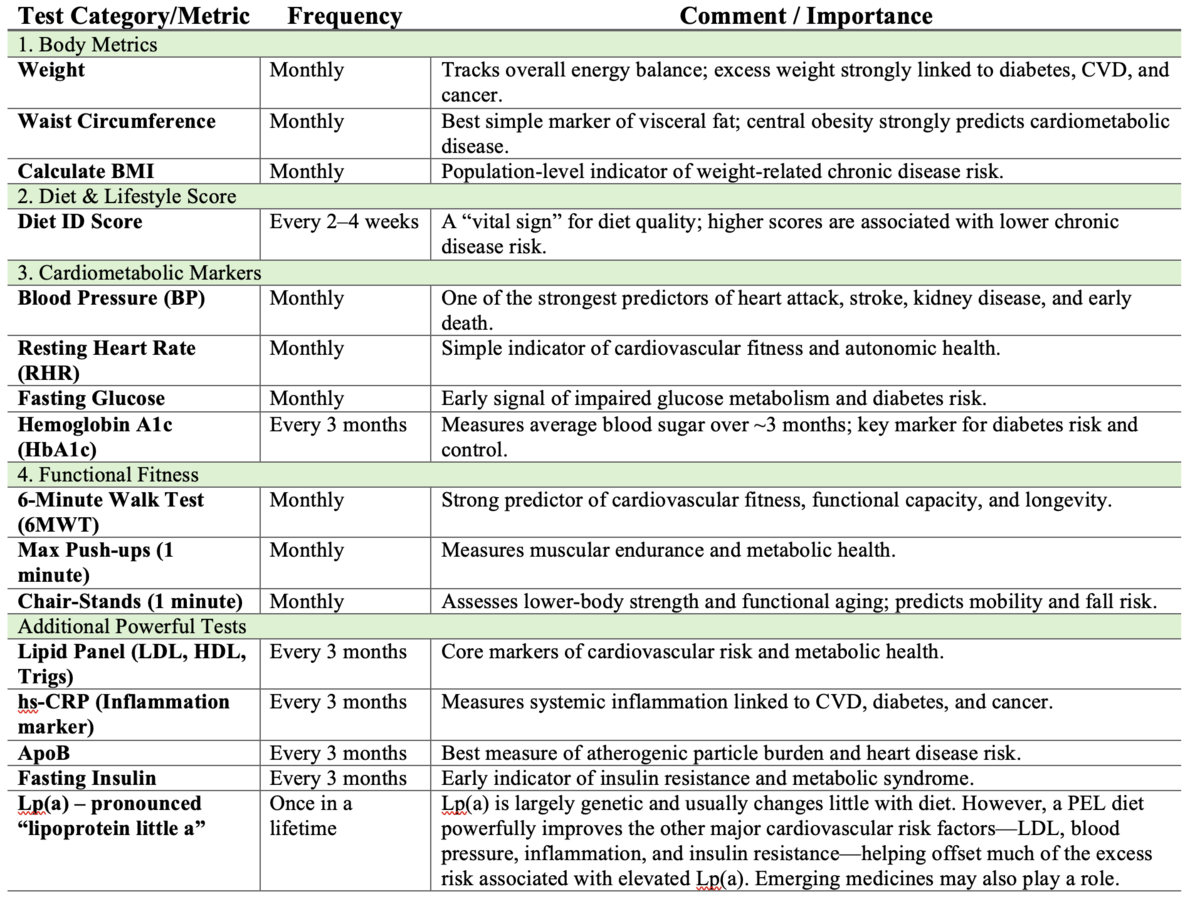
Document your baseline and follow your progress:
Real transformation begins with awareness. Before beginning a PEL-100, PEL-85, or PEL-50 journey, take the time to document where you are today. Your baseline is not a judgment — it is your starting point. When you measure what truly matters, you move from guesswork to evidence.
These simple markers allow you to see objective change unfolding inside your body — not just how you feel, but how your biology is shifting. Watching your resting heart rate fall, your walking distance increase, or your blood pressure improve is deeply motivating. Progress becomes visible. Effort becomes measurable. Momentum builds.
If you are concerned about heart disease, metabolic health, or diabetes — or if you are already living with these conditions — tracking Hemoglobin A1c, High-sensitivity C-reactive protein (hs-CRP), LDL Cholesterol, and ApoB is especially important. ApoB counts the cholesterol particles that can clog arteries. Many experts consider it the most important cholesterol test that doctors still don’t routinely measure.
See the diagarm below for what PEL recommends tracking. Seeing that change is one of the most powerful motivators there is.
The 6-Minute Walk Test is a powerful indicator of cardiovascular fitness and longevity.
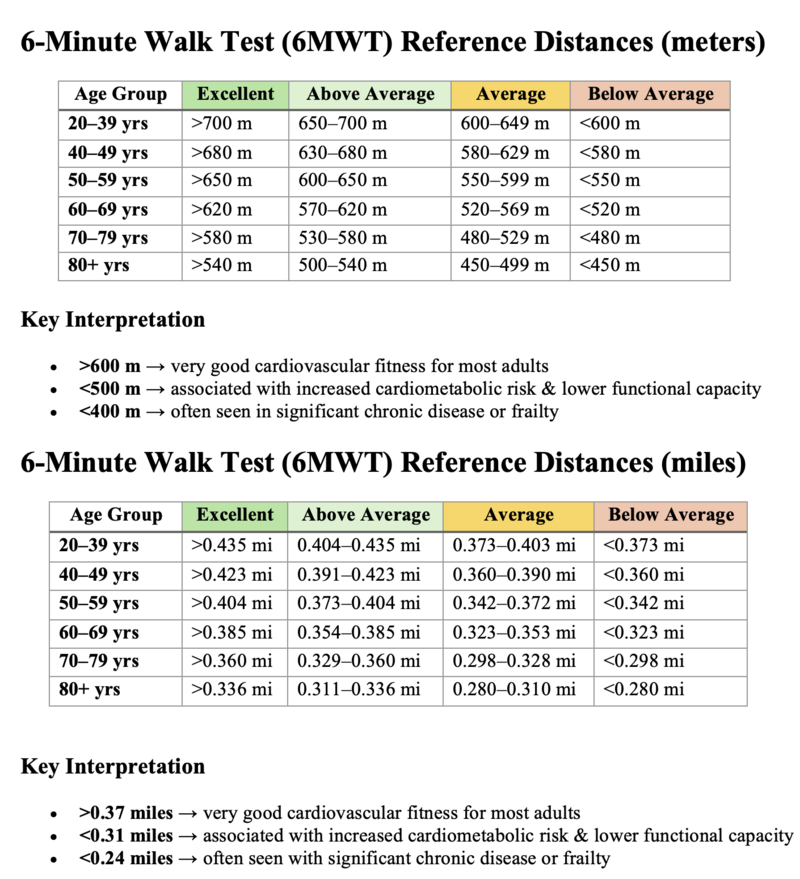
Improving your distance over time reflects better heart health, endurance, and metabolic fitness. Even an improvement of 30 meters is considered meaningful and signals real progress in cardiovascular and functional health.
The 6-Minute Walk Test is one of our favorite markers of overall functional fitness because it reflects how well your heart, lungs, muscles, and metabolism work together.
Best of all, it’s easy to measure — most fitness watches and phones can track it automatically.
Choose your starting point:

2 Follow the PEL plant-based plate
At Plants Earth Life (PEL), we’ve distilled the world’s best nutrition science into one clear framework: the PEL Diet — our modern evolution of the Planetary Health Diet.
This way of eating celebrates real food: vibrant vegetables, fruits, whole grains, legumes, nuts, and seeds. Together, they protect both human health and the planet’s health — cutting chronic disease risk and lowering the carbon footprint of what’s on our plates. Use the Diet ID app for great recipes and motivation.

Tips for Success:
Go “cold turkey” on the big three: fat, sugar, and salt.
Most of us are hooked on these flavors, much like an addiction. Cutting them out all at once resets cravings faster—often within just a few days. Think about it: nobody quits smoking by cutting one cigarette a day. If you’re doing either PEL-100 or PEL-85, staying mostly plant-based with very little added fat, sugar, or salt can have a similar effect, but the full reset is easier and quicker when you cut all fat, sugar and salt from the onset.
Learn your go-to meals.
Master 5–10 whole-food, plant-based meals for breakfast, lunch, dinner, and snacks using NutritionFacts.org’s Daily Dozen. We’ve pulled together sample ideas [here → link].
Make a two-week meal calendar.
Rotate your favorites to keep things simple and stress-free. Find free recipes at NutritionFacts.org/recipes. In addition, the Diet-ID can be used to get receipt advice.
Exercise daily (“1 serving”).
Movement matters. Include regular physical activity as part of the challenge—it multiplies the benefits. Think of exercise as at least one daily serving a day:
- 90 minutes of moderate activity (e.g., brisk walking), or
- 40 minutes of vigorous activity (e.g., running, cycling)
- and add 10–20 minutes each of stretching and resistance training for best results.
A fist full of greens before every meal.
Dark leafy greens like spinach, kale, collards, or arugula flood your body with antioxidants and nitrates that your cells turn into nitric oxide—the “magic molecule” that relaxes blood vessels and protects arteries. This simple habit:
- Reduces inflammation
- Improves circulation
- Lowers blood pressure
- Protects heart health
Aim for one fist of greens, three times a day, to boost health span and resilience.
Map your restaurants.
Make a list of local spots that serve delicious, plant-based whole-food options. [Example list → link to be developed]
Plan for social eating.
Think ahead for meals out with family or friends at less plant-friendly restaurants. With a plan, you’ll stay on track without stress. [Tips → link]
Skip the alcohol
The optimal PEL and Planetary Health Diets avoid alcohol. While light intake (≤1 drink/day for women, ≤2 for men) is unlikely to have major health implications, less is likely healthier. If you do drink, wine is the least harmful option thanks to antioxidants, polyphenols, resveratrol, quercetin, catechins (flavanols), and anthocyanins. “Wine isn’t ‘healthy’—it’s only less harmful than beer or spirits because of grape polyphenols, not the alcohol itself.” Wine’s benefit is in the grapes (a plant!), not the alcohol. If you choose to consume more than recommended limited amounts stated above, you can still see amazing effects of the Planetary Health Diet and the PEL Diet. These diets still offer the best foundation for reaching better health and can mitigate some of the negative effects of alcohol.
Tip: Pick your start date. Choose a day not too far ahead—enough time to learn about the benefits, gather recipes, and write out your plan.
3 Implement synergistic lifestyle changes
1 Plants Earth Life (PEL) Diet
A predominantly a plant-based diet: 85% to 100% WFPB food.
2 Physical Activity
Move your body every day. Aim for 90 minutes of moderate activity (such as 60 minutes of walking and 30 minutes of resistance training with light weights and stretching) or 60 minutes of vigorous exercise (such as running for 40 and some resistance and stretching for 20). Exercise lowers stress, strengthens the immune system, and builds resilience. It is essential for amplifying the benefits of the PEL Diet or Planetary Health Diet.
3 Restorative Sleep
Sufficient, high-quality rest, included in holistic health strategies.
4 Stress Management
Mind-body techniques, relaxation, coping skills. Even taking 10 minutes every morning and just quiet the body, no phone, just peaceful positive thoughts.
5 Sunshine
Waking each morning and sitting in the sunshine or daylight for 10 to 20 minutes will set you up for a productive day hand help your natural rhythm of wake sleep. And you can combine it with the mind-body relaxation part of your day.
6 Avoidance of Risky Substances
Smoking, excessive alcohol, harmful exposures and addictive medications or recreational drugs.
7 Positive Social Connection
Grow, treasure, and show up for supportive relationships, be part of your community, belong and make others belong, give to society.
References:
Gardner C.D. et al., Cardiometabolic Effects of Omnivorous vs Vegan Diets in Identical Twins, JAMA Network Open (2023).
Netflix. You Are What You Eat: A Twin Experiment. 2024.
Why go 100% plant-based?
Stronger health gains
Both PEL-85 and PEL-100 offer powerful health gains—but the biggest drops in cholesterol, LDL, HbA1c, blood pressure, and weight are consistently seen with a fully plant-based (PEL-100) approach.
Simpler mindset
Every meal is 100% WFPB—no constant debate over whether this is the time to have a bit of red meat, fish, egg, a dessert, or ultra-processed foods. Removing exceptions lowers stress and makes the lifestyle shift easier.
No calorie counting
With a balanced mix of foods from Dr. Greger’s Daily Dozen, there’s no need to track portions or restrict calories.
Quick visible results
Many participants notice meaningful improvements within just a few weeks—often providing powerful motivation to keep going.
Useful Nutritional Tools
1. Diet ID - Real-time Dietary Assessment Module and frictionless Nutritional Tools
Diet ID: The Fastest Way to Measure and Improve Your Diet
Think of Diet ID as a vital sign for your diet.
In just a few minutes, you’ll receive a Diet Quality Score showing how your eating pattern aligns with healthy, planet-forward nutrition—along with practical guidance on how to improve.
You can use Diet ID like a vital sign for your diet, much like measuring blood pressure. The higher your score, the lower your risk for many chronic diseases.
For more on the science behind Diet ID, visit the Diet ID: PEL Science Hub.
Get Diet ID free (a $15 value) by subscribing to the PEL Newsletter.
How It Works
Enter your name and email on the PEL newsletter signup page.
After subscribing, you’ll be directed to a secure page with your Diet ID access link (you’ll also receive it by email).
Register for Diet ID — this takes a few additional minutes.
Once registered, you can generate your Diet Quality Score in just a few minutes.
Use Diet ID to track your progress, receive coaching, and discover recipes.
Use it alongside the PEL 90-Day Challenge — or as a powerful tool on its own.
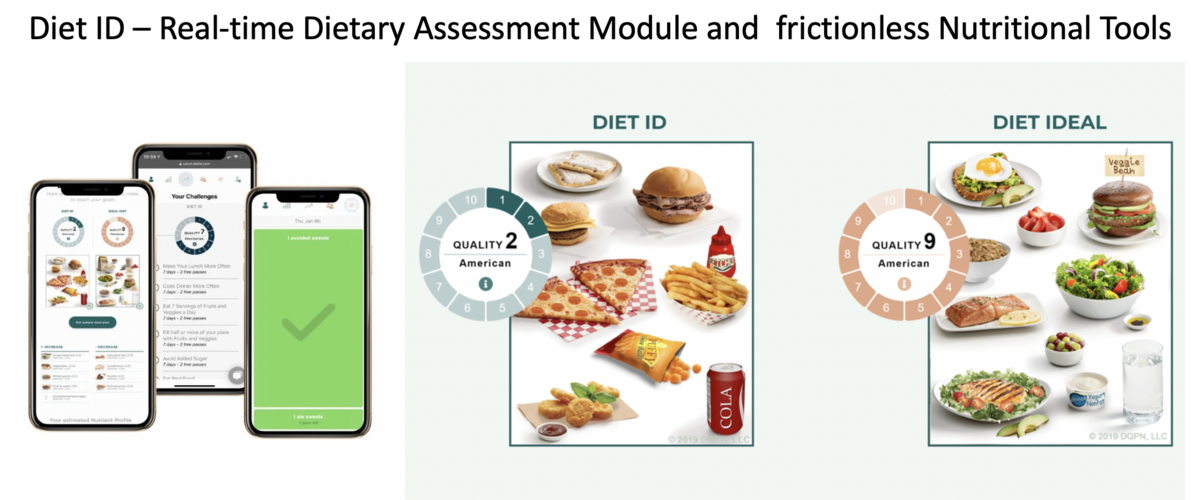
Diet ID: A New Vital Sign for Your Diet
Diet ID is a rapid dietary assessment tool developed by Dr. David Katz and his team that measures your overall diet quality in just a few minutes—about the same time it takes to check your blood pressure.
Instead of tedious food logging, Diet ID quickly identifies your dietary pattern and generates a Diet Quality Score. Think of it as a vital sign for your diet: the higher your score, the lower your risk for many chronic diseases.
Diet ID works perfectly alongside the PEL Challenge. Many participants measure their score at the start and then check again weekly or monthly to see how their diet improves over time. Watching your score rise can be a powerful motivator.
Diet ID is backed by multiple validation studies and is designed to be fast, intuitive, and accurate.
Access to Diet ID is provided through partner organizations like Plants Earth Life (PEL).
Check back in January 2026 for access to this powerful tool.
More Than a Score: Your Personalized Nutrition Coach
Diet ID goes beyond measurement. It provides personalized guidance to help you improve your eating pattern, including:
Curated recipes and meal ideas
Practical tips to improve diet quality
Insights into nutrients your current diet may be lacking
Optional daily challenges that help nudge your habits in a healthier direction
Designed for Real Life and Real Cultures
Diet ID includes 31 culturally relevant dietary patterns so that improving your diet still feels like home. These include menus inspired by African Heritage, Asian, Latin American, Indian, Kosher, Halal, and many others.
You can also explore evidence-based healthy eating patterns such as:
Mediterranean
Whole Food Plant-Based (WFPB)
DASH (Dietary Approaches to Stop Hypertension)
Anti-Inflammatory
Low-Carb
Flexitarian
The Closest Match to the PEL Diet
Among widely recognized dietary patterns, a plant-forward Mediterranean diet comes closest to the PEL-85 diet. However, traditional Mediterranean eating still includes regular fish, dairy, and olive oil.
PEL-85 moves further toward a whole-food, predominantly plant-based pattern, reducing animal products and added oils while emphasizing vegetables, fruits, legumes, and whole grains for optimal health and environmental sustainability.
Comparison of Popular Diet Tracks
| Diet Style | Primary Focus | Key Cultural Inclusion |
|---|---|---|
Mediterranean (if modified = PEL-85, see below) | Healthy fats (olive oil), fish, and lean protein, lots of fruits and Vegetables | Southern European/Levantine |
| WFPB (PEL-100) | Minimal processing, no animal products, emphasis on a 100% WFPB diet | Global vegetable-forward |
| DASH | Sodium reduction and mineral balance (a diet for HTN) | North American / Clinical |
| MIND | Brain health, berries, and leafy greens (a diet for good brain health) | Western / Hybrid Mediterranean |
| African Heritage | Tubers, greens, and beans | African Diaspora / Caribbean |
A modified Mediterranean diet that emphasizes vegetables, fruits, legumes, and whole grains — while minimizing animal products — is the closest widely recognized pattern to the PEL-85 diet. Traditional Mediterranean eating, however, still includes regular fish, dairy (including cheese), and olive oil as a primary fat source. PEL-85 further reduces these foods and shifts more decisively toward a whole-food, predominantly plant-based pattern optimized for cardiometabolic health and environmental sustainability.
2. Michael Gregor's Nutritionfact.org Daily dozen
There is an app for this!! https://nutritionfacts.org/daily-dozen/
And a ton of awesome and free recipes: https://nutritionfacts.org/recipes/
Strive for 30 different plants each week—variety is key for gut microbiome diversity
Here is the daily dozen at a glance:
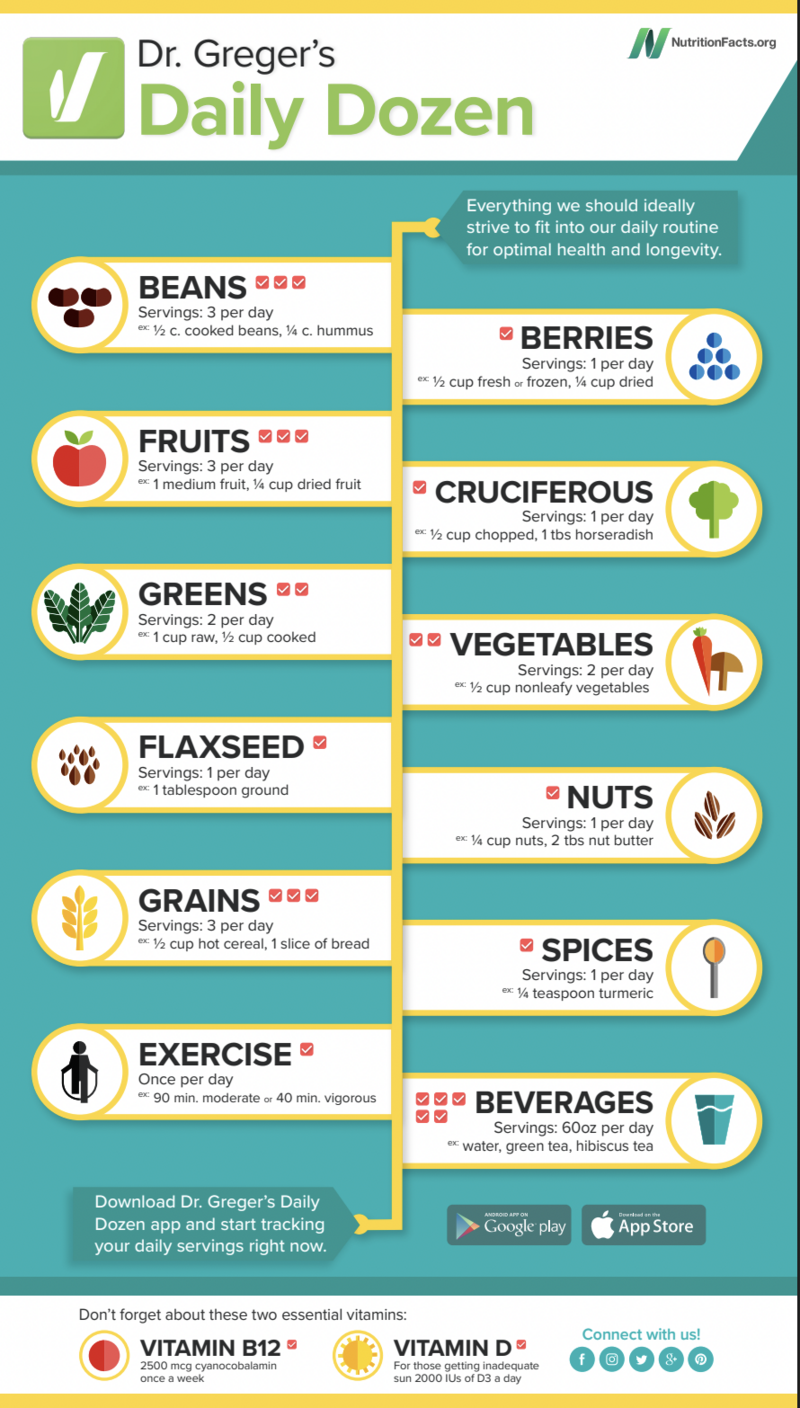
Beans (3 servings)
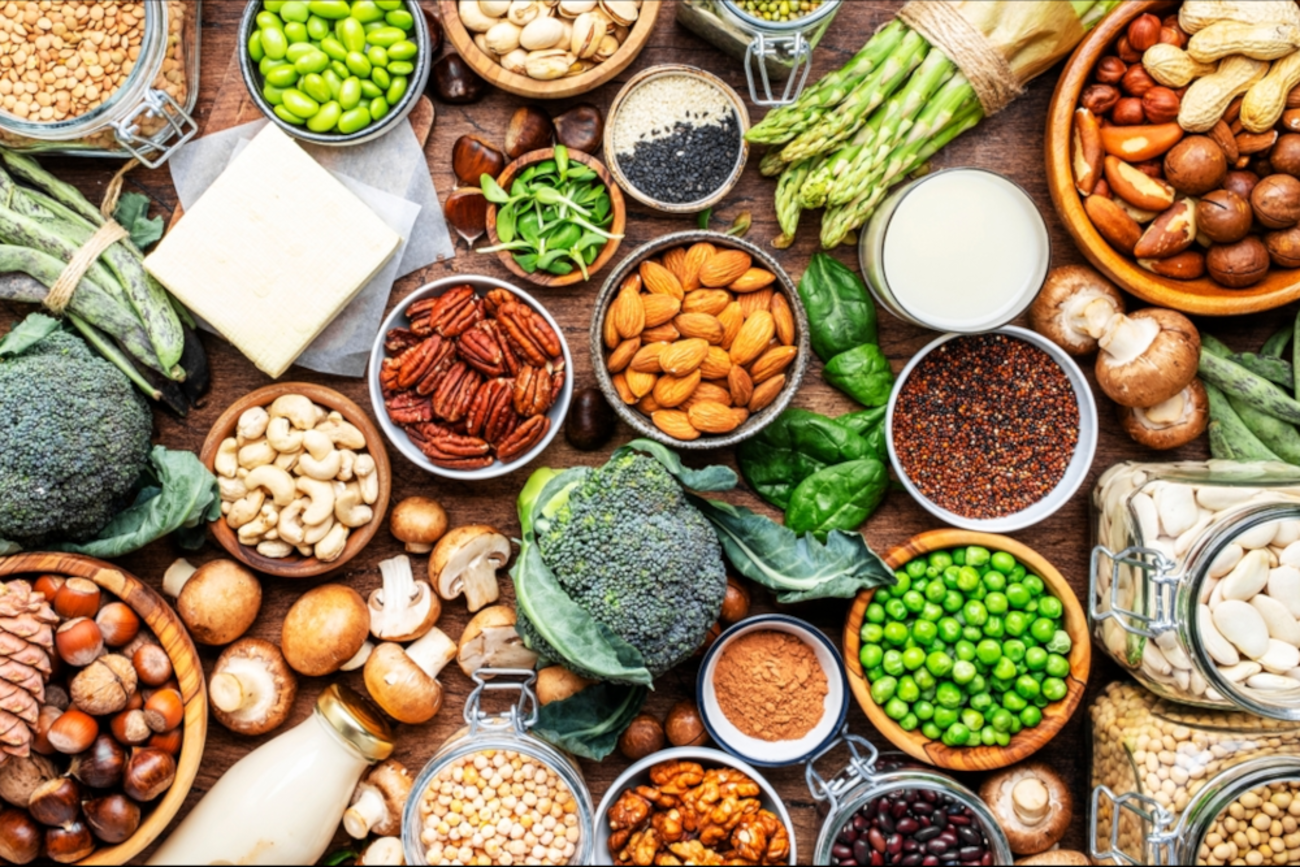
- Lentils, black beans, chickpeas, split peas, soy (tofu, edamame, tempeh)
Berries (1 serving)
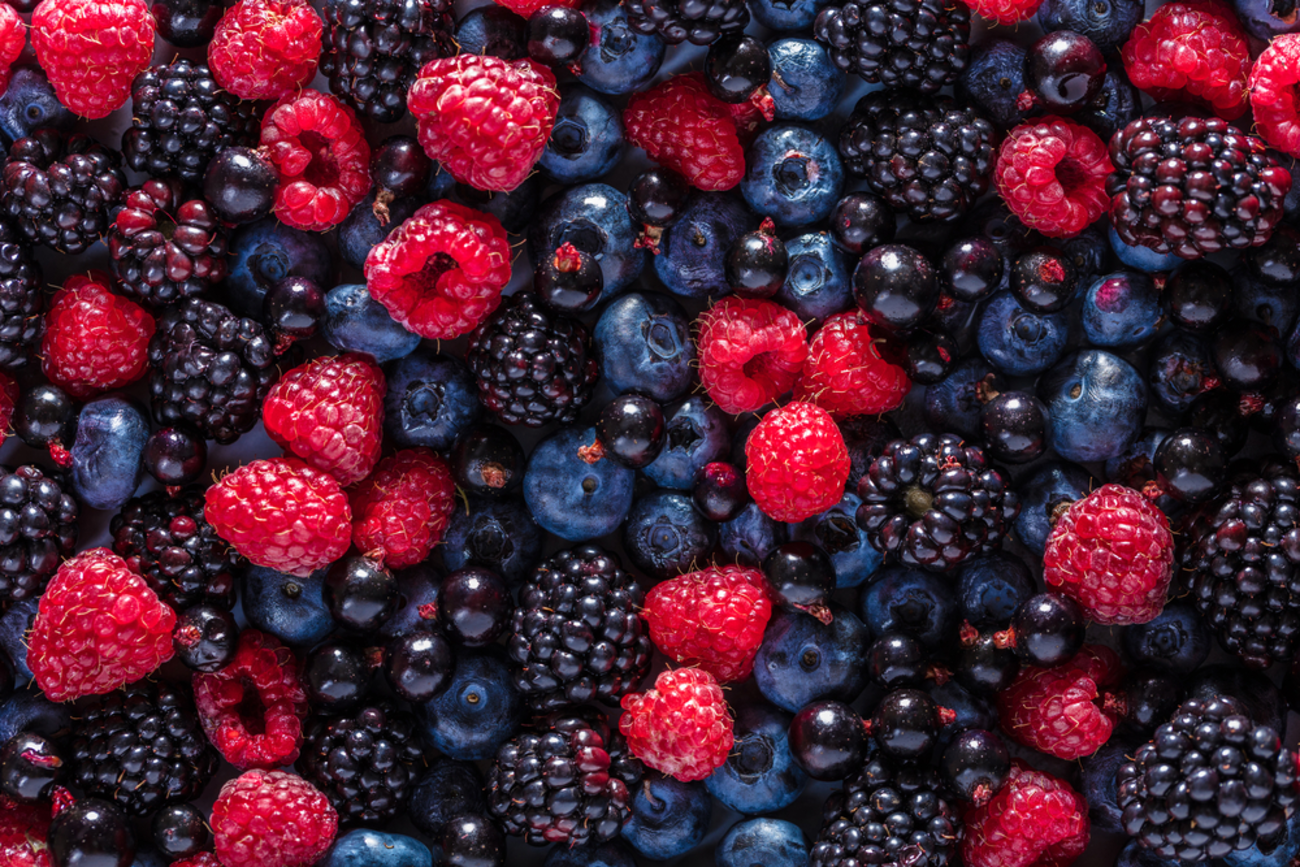
- Blueberries, strawberries, raspberries, blackberries
Other Fruits (3 servings)
- Apples, oranges, bananas, pears, grapes, seasonal fruits
Cruciferous Vegetables (1 serving)
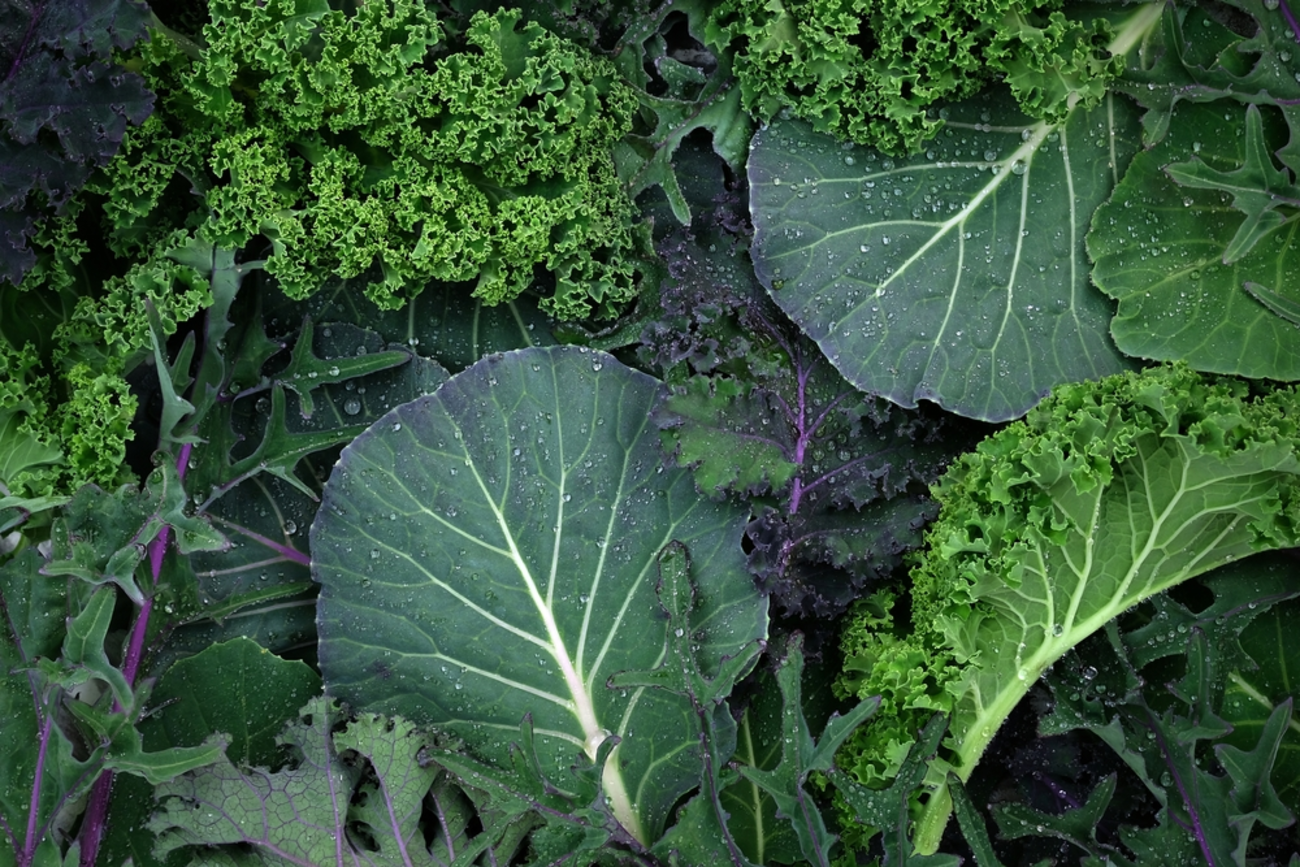
- Broccoli, cauliflower, cabbage, kale, Brussels sprouts
Greens (2 to 3 servings)
- Spinach, arugula, chard, collards, lettuce, beet greens
- Or even better do at least a “fist full of greens” at every meal
Other Vegetables (2 to 3 servings)
- Carrots, bell peppers, zucchini, eggplant, mushrooms, purple or orange sweet potatoes
Flaxseeds (1 serving)
- Ground flaxseed (1 tablespoon daily)
Nuts & Seeds (1 serving)
- Walnuts, almonds, cashews, chia, hemp, sunflower seeds
Herbs & Spices (1 serving)
- Especially turmeric; also garlic, onion, cinnamon, ginger
Whole Grains (3 servings)
- Oats, brown rice, quinoa, whole wheat, barley, bulgur
Beverages (5 servings)
- Water, tea, or coffee (unsweetened) — about 5 glasses/day
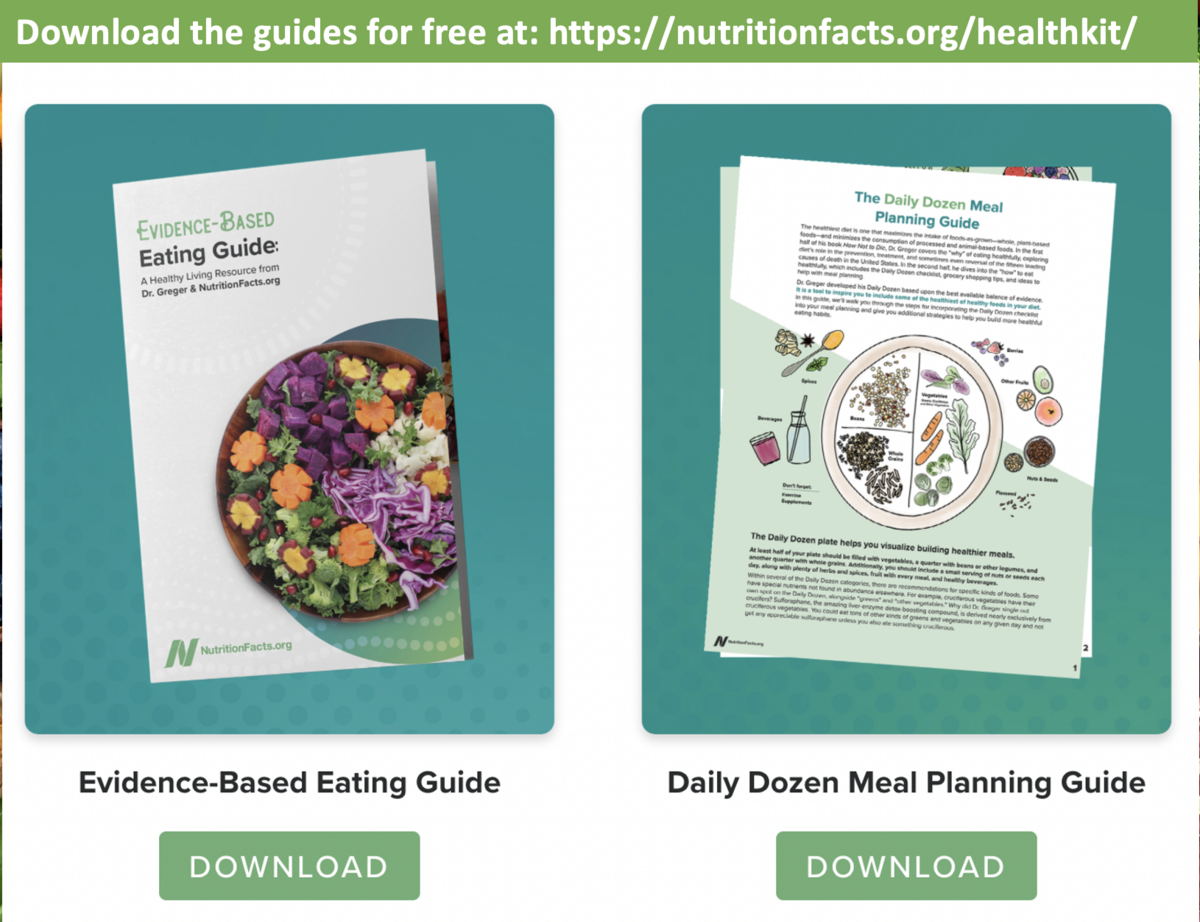
The Evidence-Based Eating Guide: A Healthy Living Resource from Dr. Greger & NutritionFacts.org is a tool designed to help make the switch to a healthier lifestyle more simple. The Daily Dozen Meal Planning Guide also by from Dr. Greger & NutritionFacts.org includes a breakdown of Dr. Greger's Traffic Light Eating, tips for using Dr. Greger's Daily Dozen Checklist, sample menus, and more.
You can access the guides here:
https://nutritionfacts.org/healthkit/
They are free, though you’ll need to sign up for their newsletter to download them.