Pivot
Food, Health and Nature: Fighting Hidden Hunger and Biodiversity Loss in Madagascar
A PEL-Pivot Partnership in the Vatovavy Region, Madagascar
“In Vatovavy, the health of children and the health of forests rise and fall together. If we want to end childhood stunting, we have to protect the ecosystems that feed families—and bring traditional plant foods back to the center of the plate.”
Michael Rich – Co founder of Pivot and PEL
Overview
In rural Madagascar, hidden hunger, poverty, and biodiversity loss are tightly intertwined. More than 40% of children under five in Vatovavy are stunted, driven by poor dietary diversity and recurrent infections. At the same time, surrounding forests, rivers, and soils are under pressure from deforestation and unsustainable agriculture.
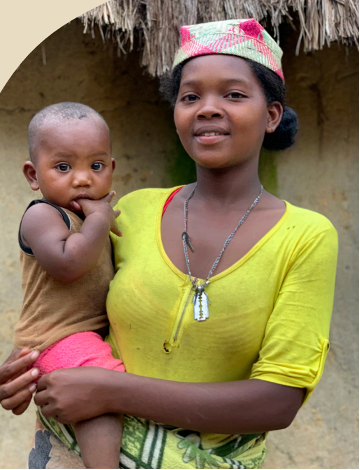
Since 2014, Pivot has partnered withthe Ministry of Public Health (MoPH) to save lives, transform district health systems, and catalyze global change. In areas where Pivot strengthened the health system, child mortality declined by 32%, care-seeking at health centers doubled, and maternal mortality was reduced by approximately half. Today Pivot works across Vatovavy Region, ensuring access to a strengthened health system for over 540,000 people, with plans to soon cover the region’s full population of approximately 900,000.
PEL’s mission—to restore human and planetary health through plant-rich, sustainable diets—naturally complements this work. Together, PEL and Pivot are launching a PEL Activator Project that asks a simple but powerful question:
How can we fight child malnutrition and protect Madagascar’s extraordinary biodiversity at the same time—using food itself as the bridge?
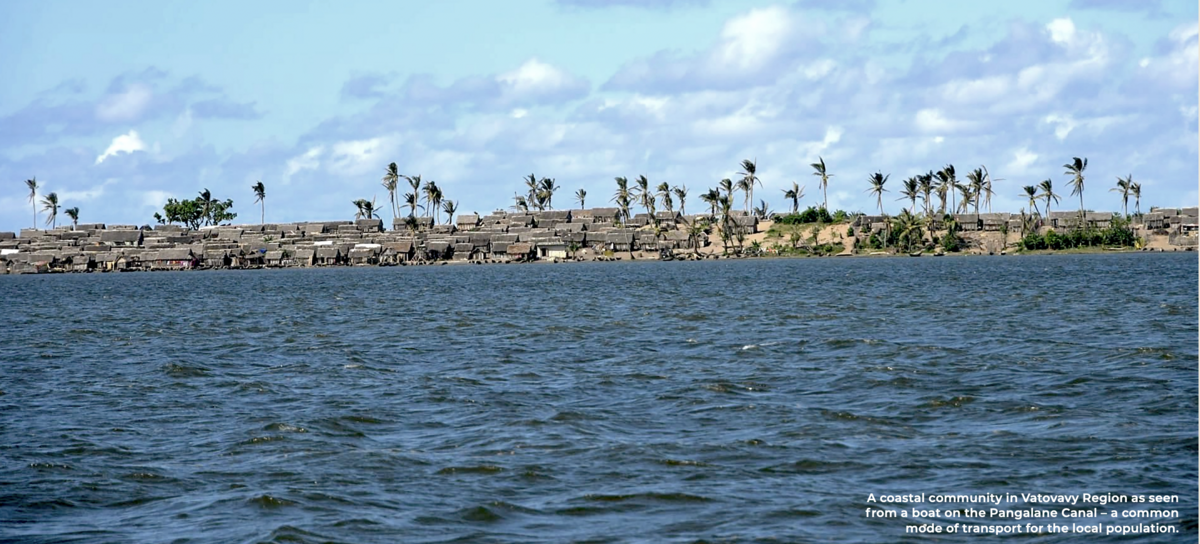
Year 1 of this collaboration is fully funded by Plants Earth Life (PEL) as a startup Activator grant. It will build the scientific and operational foundation for a larger, integrated “Nutrition–Biodiversity–Health” initiative in Vatovavy Region. Vatovavy Region is home to Ranomafana National Park and an estimated one million hectares of remaining natural forests outside protected areas, alongside hundreds of kilometers of rivers and the approximately 400-mile long Pangalanes Canal. The region also extends to more than 60 miles of Indian Ocean frontage, making it both ecologically rich and extremely vulnerable to extreme weather events.
Roughly a quarter to a third of the remaining natural forest is likely still old, relatively intact forest, and the majority is “soft” forest—secondary regrowth, selectively logged stands, and disturbed forest used for fuelwood, charcoal, and small-scale agriculture.
A focus on the hidden hunger
Hidden hunger is the silent, invisible form of malnutrition that starves the body of the vitamins and minerals needed for life—even when stomachs are full.
A child may eat enough simple calories from rice, cassava, or refined grains, yet still be profoundly malnourished because their food lacks iron, zinc, iodine, folate, vitamin A, and hundreds of other essential micronutrients and bio-active molecules.
The consequences of hidden hunger are devastating:
- Brain development is permanently impaired, limiting cognition, learning capacity, and future potential.
- Children become stunted, their bodies unable to grow and develop properly even when calories are abundant.
- The immune system weakens, leaving them vulnerable to potentially deadly infections that they would otherwise survive.
Hidden hunger does not make headlines because it does not always look like starvation—but it robs a child of their future just as surely.
And unlike overt hunger, it cannot be corrected by calories alone.
Proteins, fats, and carbohydrates may fill a plate, but they cannot replenish the micronutrients the brain needs to grow, the immune system needs to defend, and the body needs to thrive. Only diets rich in diverse plant foods—leafy greens, legumes, fruits, vegetables, nuts, and seeds—can supply these life-defining nutrients.
Hidden hunger is the malnutrition you cannot see, but its impact is lifelong. It costs children their potential, communities their strength, and nations their future. And yet, with nutrient-dense, culturally rooted foods—especially traditional greens and legumes—it is entirely preventable.
The Hope: Children Can Catch Up
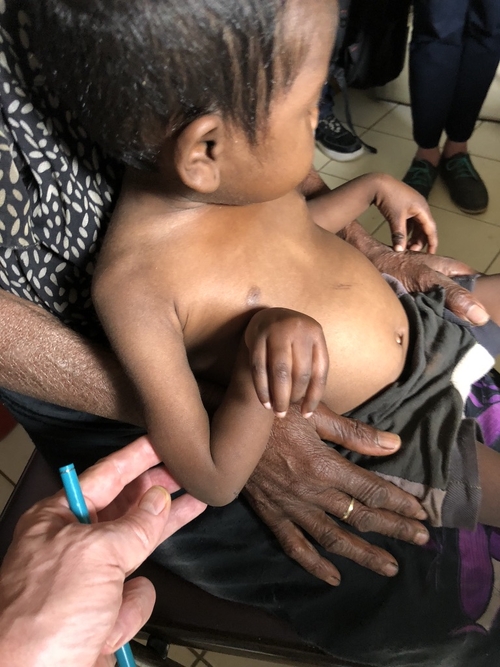
While the effects of hidden hunger can be devastating, the human body—especially a child’s body—is remarkably resilient when given the chance. Early intervention with nutrient-dense foods can dramatically improve growth, cognitive development, and immune strength.
Children may not always reach their full biological potential if stunting or cognitive impairment has already begun, but many can make significant catch-up gains in height, learning, and overall health when their diets are restored with the right nutrients.
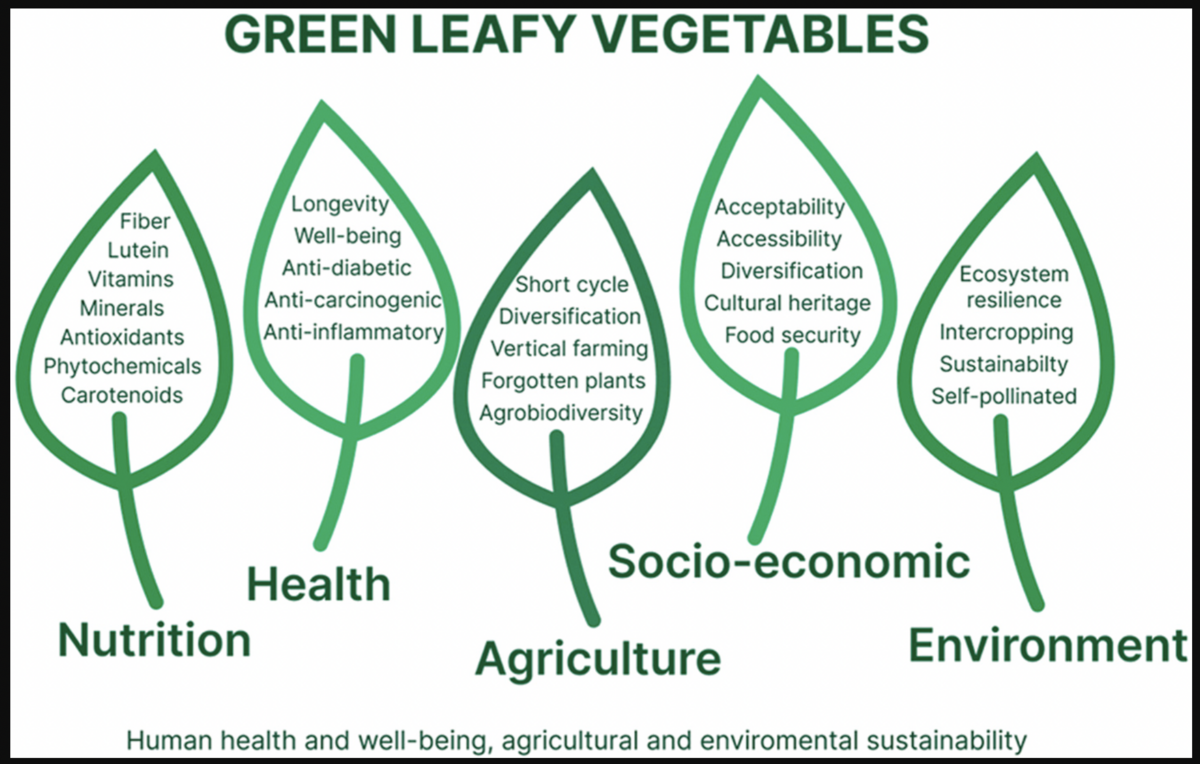
This is why the timing of interventions matters so profoundly— and why this PEL–Pivot collaboration focuses on locally-available, plant-based foods that nourish children early in life, when it matters most. The PEL–Pivot Collaboration will place a special focus on greens, as leafy vegetables not only thrive in cyclone-prone areas but also deliver outstanding nutritional and environmental benefits. .
PEL-Pivot Year 1 Goal:
Lay the scientific and operational groundwork for a consortium of organizations working in and around the ecologically rich yet extremely vulnerable Vatovavy Region—uniting nutrition, biodiversity, conservation, and community health into an integrated, evidence-driven strategy for Madagascar’s future.
What We’re Doing in Year 1 (PEL-Funded Startup Phase)
Under the leadership of Pivot’s Science team, and in close partnership with PEL, Year 1 (01 April 2026 to 31 March 2027) focuses on four core objectives:
- Make sense of the data: What’s driving the hidden hunger?
- Over the past eleven years, Pivot has collected extensive household, facility, and community-level data. Year 1 will focus on analyzing malnutrition data from these sources to identify the local drivers of hidden hunger and inform targeted, context-specific solutions.
- Rediscover local plant-based nutrition “superfoods.”
- Identify local nutrient-dense crops—especially traditional leafy greens, legumes, and vegetables—that can address micronutrient deficiencies.
- Document household and community practices that already promote these foods.
- Review Madagascar-specific evidence on increasing access to plant-based foods and preventing malnutrition.
- Build Malagasy research and analytic capacity.
- Support Malagasy researchers through applied training, mentorship, and co-leadership of analyses, including preparation of policy-relevant outputs and peer-reviewed publications.
- Draft a Joint Operational Plan for a Nutrition–Biodiversity–Health Consortium that aims to.
- Combat hidden hunger using nutrient-dense, climate-resilient local foods
- Strengthen community health and build sustainable food and nutrition pathways
- Preserve natural forests and reduce pressure on biodiversity hotspots
- Integrate conservation, food systems, and health into a unified regional strategy
- Identify investment-worthy pilots and clear entry points for foundations, multilaterals, and climate–health donors
A Pivot analyst will mine existing household survey, clinical, and environmental datasets to map where and why children are stunted— looking at geography, climate, poverty, and food environments. This analysis will show where prevention-focused nutrition interventions can have the greatest impact. Understanding the drivers of hidden hunger means looking beyond a narrow focus on food insecurity defined by calorie sufficiency and macronutrient intake, to ask whether families can reliably access sustainable foods that provide essential micro- and macronutrients.
A dedicated “PEL-funded scholar” specializing in nutrition, ecology, or food systems will lead a landscape review and field inquiry. We plan to engage an early-career Malagasy researcher, working alongside experienced scientists, to ensure that analytic skills, methods, and leadership are strengthened in-country— not just imported. Regular mentorship, joint analyses, and co-authorship will help grow a new generation of planetary health leaders in Madagascar.
Using the evidence from Objectives 1–3, PEL and Pivot will co-create a first draft of a Joint Operational Plan, in collaboration with environmental and research partners. This plan will provide a blueprint for a larger flagship intervention, and a cornerstone of the emerging Nutrition– Biodiversity– Health Consortium.
What Success Looks Like After Year 1
By the end of the first year (March 2027), we expect to have:
- A clear picture of what drives malnutrition in Vatovavy—environmental, geographic, and socioeconomic factors—using Pivot’s rich datasets.
- A field-informed catalog of local nutrient-dense foods, especially traditional greens, legumes, and vegetables, and of the ways communities already grow and eat them.
- A map of organizations and initiatives in Madagascar working on sustainable nutrition, agroecology, and food systems—identifying synergies and collaboration opportunities.
- Strengthened analytic capacity within Pivot’s Science team and among Malagasy researchers through hands-on mentorship and joint fieldwork.
- A synthesis report or working paper summarizing actionable insights and recommendations linking biodiversity, sustainable diets, and health systems strengthening.
- A first draft Joint Operational Plan that lays out a coherent, fundable roadmap for a multi-year, multi-partner initiative connecting nutrition, forests, and health.
In short: Year 1 builds the foundation. Year 2 and beyond will turn that foundation into programs on the ground.
Looking Ahead: Year 2 and Catalytic Funding
PEL’s Activator grant fully supports the startup phase in Year 1— the careful groundwork needed to design something truly transformative.
Beginning in Year 2, PEL and Pivot will seek additional partners and funders to move from design to implementation, piloting integrated interventions [1] that build directly on Pivot’s core health system platforms. These pilots may include integrating education on nutrient-dense, locally available foods into the community health worker service package; supporting pregnant women and new mothers with practical skills to incorporate traditional, micronutrient-rich foods into maternal and infant diets; and strengthening post-discharge nutrition support for families of children treated for malnutrition, with a focus on sustainable household diets. Where relevant, these efforts may be complemented by community-based food production and restoration activities that link nutrition, livelihoods, and ecosystem health.
In Year 2, with a strong platform already in place, this project will be shovel-ready for catalytic funding— support that can translate design into action and generate measurable impact across multiple Sustainable Development Goals (SDGs)— especially SDG 2 (Zero Hunger), SDG 3 (Good Health and Well-Being), SDG 13 (Climate Action), and SDG 15 (Life on Land).
SDG 15, “Life on Land,” calls on the world to protect and restore forests, safeguard biodiversity, halt land degradation, and ensure the sustainable use of terrestrial ecosystems. It recognizes a fundamental truth: human health and planetary health cannot be separated. Forests and biodiversity regulate climate, protect watersheds, preserve soil fertility, and sustain the plants and wild foods that families rely on—especially in regions facing hidden hunger.
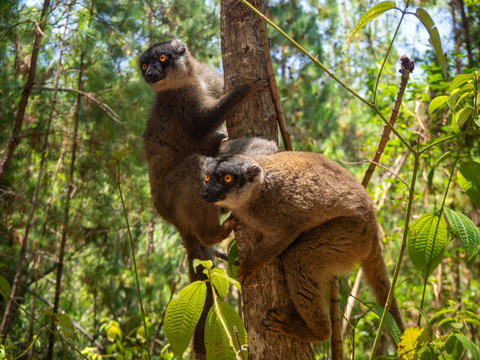
Yet SDG 15 is too often left out of global health interventions, despite the fact that loss of biodiversity and ecosystem degradation directly harm nutrition, increase disease vulnerability, and undermine long-term community resilience.
In the Vatovavy Region— one of the most biodiverse yet most vulnerable landscapes on Earth— addressing hidden hunger without addressing ecosystem health is impossible. The same forests that shelter Madagascar’s unique species also sustain the soils, water, and traditional plant foods that nourish children. For this reason, our health and nutrition work must urgently and deliberately integrate SDG 15— not as an environmental add-on, but as a core pillar of human well-being and sustainable development.
Why This Matters
- For children and families: Better diets, less stunting, stronger immune systems, and healthier futures.
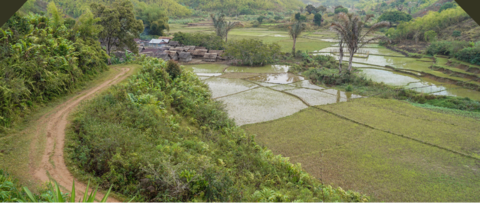
- For forests and biodiversity: Reduced pressure on forests, more sustainable livelihoods, and pathways to “re-green” Madagascar.
For global health and climate: A living example of how to align health systems, food systems, and conservation in one of the world’s most important—and vulnerable—ecosystems.
Call to Action
This PEL Activator Project is the first step toward a model that treats nutrition, health, and nature as one system rather than separate silos.
- If you are a foundation or institutional funder working at the intersection of global health, food systems, and the environment, we invite you to partner with us in Year 2 and beyond.
- If you are an NGO, research institute, or conservation organization in Madagascar or globally, we welcome collaboration in shaping and implementing the Nutrition– Biodiversity– Health Consortium.
To support this work, you can:
- Donate directly to Pivot (pivotworks.org) to help bring integrated, evidence-based solutions to scale across Madagascar’s health system and landscapes.
- Donate to Plants Earth Life (PEL) through the below donation box to underwrite the next phase of the initiative and other Planetary Health Diet projects worldwide.
- Contact us for more information at [email protected]