PIH Liberia
Vegetables to Fight the Hidden Hunger

PIH Liberia Hospital/Community Farm Project
Vegetable supply in Liberia, especially in Maryland County and the southeast, is extremely limited. Local farmers often lack access to high-quality seeds, training, and resources to grow vegetables at scale. As a result, markets face chronic shortages, families consume very few vegetables, and hidden hunger and stunting remain widespread. Vegetable sellers often travel long distances for produce, increasing costs and reducing availability for communities.
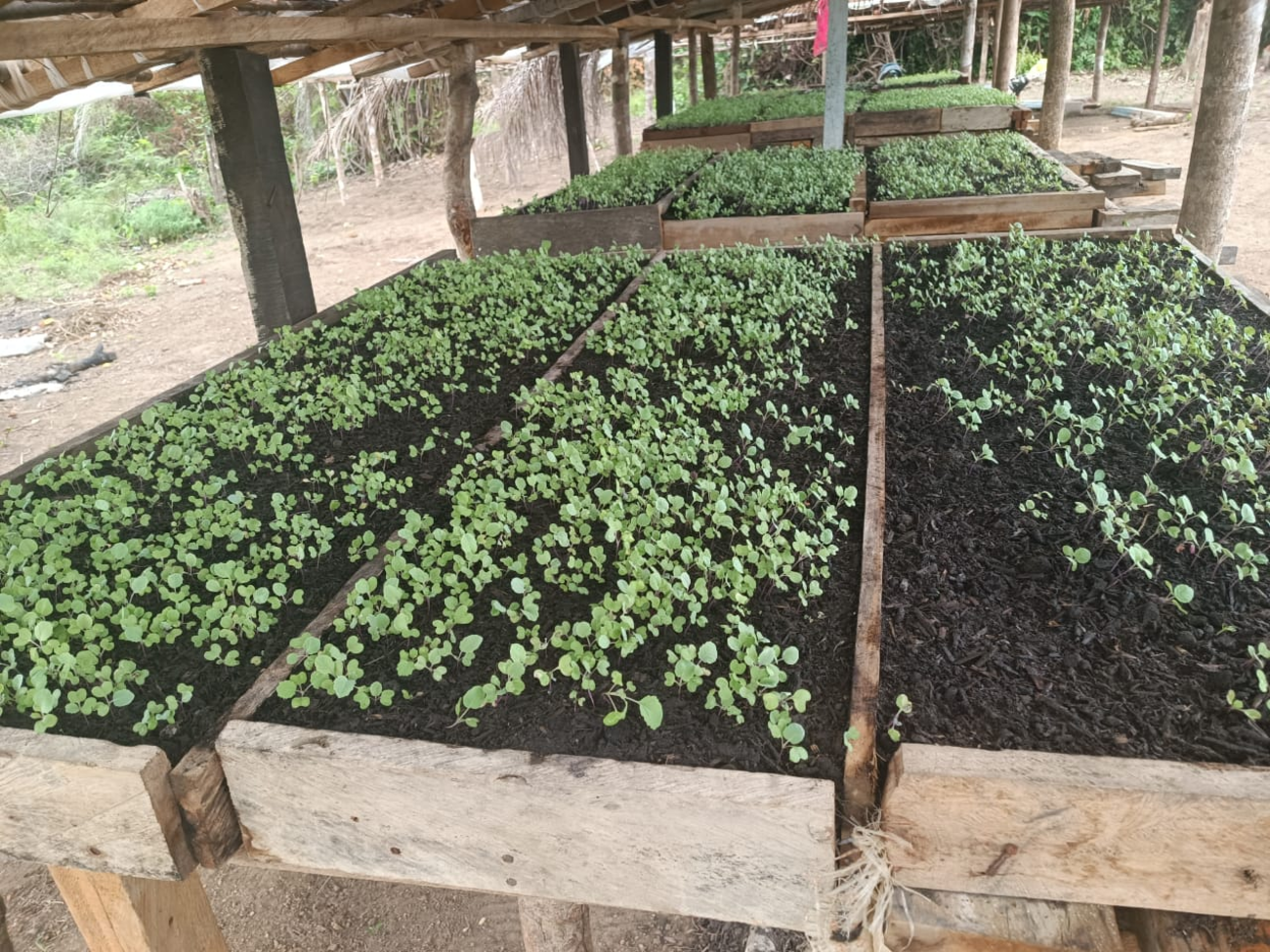
The PIH Liberia Hospital/Community Farm directly addresses this challenge through the use of food as medicine. Initially piloting eight-acres out of a 19-acre site, the farm grows a wide range of vegetables and legumes to supply hospital patients with fresh, nutritious food, support local livelihoods, and demonstrate resilient plant-based farming methods. The project is 100% plant-based, with no animal husbandry, focusing instead on high-protein legumes and a diverse mix of vegetables. This initiative is an extension of PIH’s commitment to comprehensive holistic person-centered care that centers the wellbeing of the whole patient.
🌿 The Challenge: Nourishing Liberia for Health and Hope
Across Liberia — as in much of the world — diets are falling short on multiple fronts. Many families face food insecurity, while at the same time traditional, nutrient-rich foods are being replaced by less nutritious staples such as cassava, white rice, and white bread. Increasingly, these are joined by ultra-processed, high-sugar, low-fiber foods that offer calories but little nourishment.
This shift fuels what the World Health Organization calls the “triple burden of malnutrition”:
- Undernutrition and food insecurity — marked by wasting, stunting, and underweight children, often accompanied by micronutrient deficiencies.
- Hidden hunger — deficiencies in vital vitamins and minerals such as iron, zinc, iodine, vitamin A, and folate that weaken immunity, impair learning, and limit potential.
- Nutrition-related noncommunicable diseases (NCDs) — rising rates of heart disease, diabetes, cancers, and dementia linked to highly processed diets.
The PIH Liberia Hospital & Community Garden Initiative tackles all three challenges — starting in our communities and schools and hospital.
By growing nutritious foods, teaching sustainable gardening, and improving access to fresh fruits and vegetables, this program is helping to heal both people and the planet — one harvest at a time.
🌾 The 8-Acre Farm: Growing Health and Community Resilience
The PIH Liberia Hospital and Community Vegetable Farm is transforming eight acres of land into a living model of nutrition, education, and sustainability. Designed in phases, the farm supports both hospital patients and the surrounding community — nourishing bodies, teaching skills, and planting the seeds of long-term health.
Phase 1 – Nutritious Food for Patients and the Community (50%)
Half of the land is devoted to producing a steady supply of fresh, nutrient-dense vegetables for hospital meals — improving patient recovery, strengthening immunity, and reducing malnutrition.
A portion of every harvest is shared with vulnerable families in the community, helping to combat the “hidden hunger” caused by micronutrient deficiencies.
Phase 2 – Expanding to a Multifunctional Health and Learning Farm
Phase 2 will scale and diversify production, turning the site into a multifunctional hub for health, food security, and community learning. The planned land use includes:
- Vegetable Production (50–65%)
- Local Greens Area (10–20%)
- Food Tree Nursery (10–15%)
- Kitchen Garden Demonstration Area (15%)
Continued large-scale production to supply the hospital and nearby communities with fresh vegetables year-round.
A dedicated section for cultivating traditional, nutrient-rich greens that are culturally important and highly nutritious.
About 0.5 acres will be used to raise saplings of moringa, avocado, papaya, mango, and guava. Each patient discharged from the hospital receives one or two saplings — plus instructions on how to plant and care for them — extending the project’s impact into households across the region.
Another 0.5 acres will demonstrate simple, low-cost kitchen garden techniques, showing families how to grow vegetables in small spaces using local materials. This program empowers families with the tools for self-sufficiency and improved household nutrition..
Impact
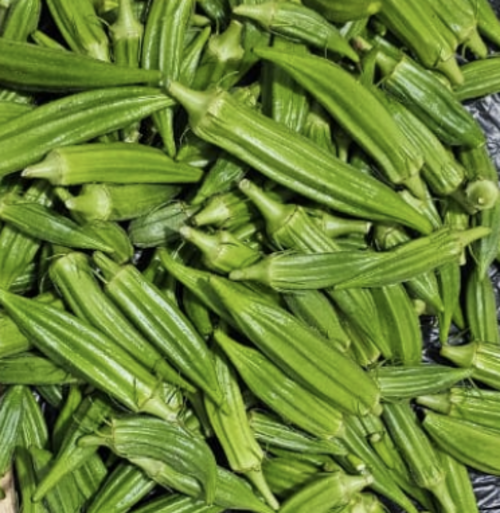
The PIH Liberia Hospital/Community Farm improves access to vegetables in a region facing chronic shortages. It directly strengthens patient care by integrating fresh produce into hospital meals, combats hidden hunger, and provides income-generating opportunities with fair wages for community members working on the farm. By reviving traditional greens and distributing food trees, the project empowers families to take resilient, long-term steps toward better nutrition. By integrating nutrition into the continuum of care, the farm helps patients recover faster, prevents malnutrition-related complications, and reinforces the belief that good health begins with good food.
This model demonstrates how a simple, plant-based approach can transform diets, health, and local economies. PEL’s goal is to highlight this success so programs like it can be scaled and replicated across Liberia and beyond.
Why PIH Liberia Matters to PEL’s Mission
At Plants Earth Life (PEL), we believe food is the single strongest lever to optimize human health and environmental sustainability. The PIH Liberia garden program embodies this philosophy by:
- Improving Health Outcomes – Fresh, plant-based foods directly support recovery and reduce diet-related disease.
- Building Sustainability – Plant-based farming reduces pressure on the environment while addressing community nutrition.
- Empowering Families – Food trees and kitchen gardens equip households with tools for lasting dietary change.
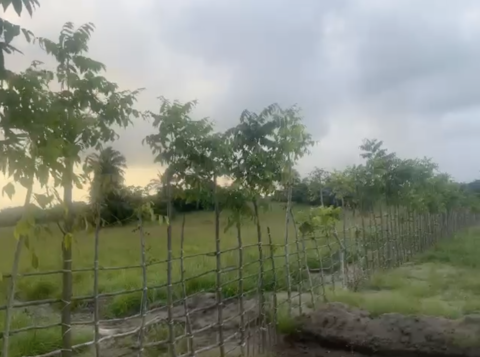
The Liberia Vegetable Farm is surrounded by a beautiful living fence—a natural barrier made of trees planted close together (pictured here). This green boundary protects the crops from wind and animals while enriching the soil and conserving water. It also provides shade, supports pollinators, and captures carbon, helping to create a healthier microclimate for the vegetables. Over time, the fence grows stronger and more productive, symbolizing the farm’s commitment to sustainability and regeneration.