
The way we eat shapes the world we live in. Few daily choices have as large and immediate an impact on the planet’s survival as what we put on our plates. The PEL Diet—a whole-food, plant-forward version of the Planetary Health Diet—does more than improve human health. It is a powerful environmental intervention that addresses the root causes of ecosystem collapse, deforestation, biodiversity loss, freshwater depletion, and climate instability.
Industrial animal agriculture is now a leading driver of global environmental damage. Shifting toward a mostly or 100% whole-food, plant-based diet is one of the most effective ways individuals and communities can help heal the Earth.
This is the science behind why.
1. Deforestation for Dinner: The Amazon Is Being Cleared to Feed Livestock
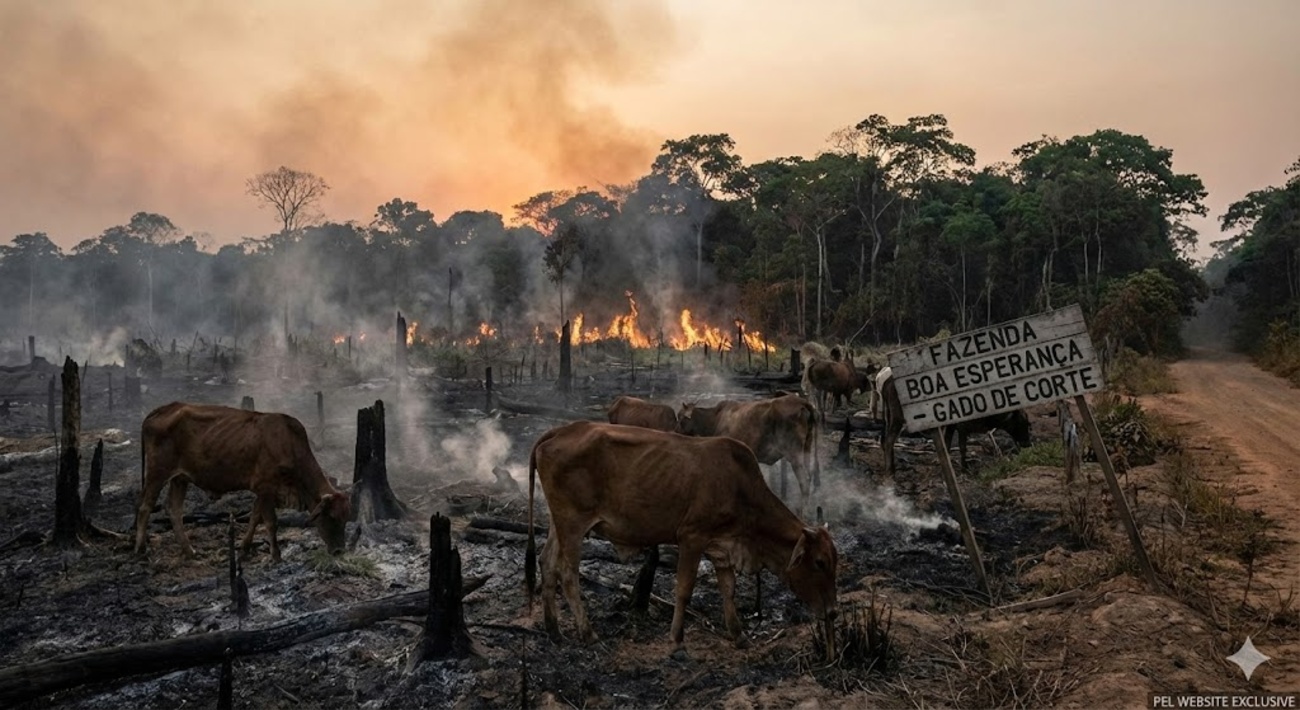
Every year, vast areas of tropical forests—including the Amazon—are burned or bulldozed to create land for cattle grazing or to grow soy for livestock feed. Roughly 80–90% of Amazon deforestation can be traced back to cattle ranching and feed production (Barona et al., 2010; A Well-Fed World, 2024).
According to global environmental analyses:
- ~800 million trees in the Brazilian Amazon are cut down or burned each year to support beef and livestock feed production (The Proof / Hill, 2023).
- Over 70% of previously forested land in the Amazon is now pasture for cattle (EAT Forum, 2023).
When we eat beef, chicken, pork, or dairy, we are—most of the time—participating in a supply chain that is directly replacing rainforest with pasture and feed crops.
A PEL diet dramatically lowers this demand.
2. Eating Plants Requires Far Less Land—And Frees It for Nature
Feeding plants to animals and then eating the animals is an extraordinarily inefficient use of land. Livestock requires vastly more acreage than growing food for humans directly (Poore & Nemecek, 2018).
By adopting a PEL diet:
- Up to 75% less agricultural land is required (Poore & Nemecek, 2018).
- More land can be returned to forests, savannas, wetlands, and biodiversity-rich ecosystems.
- Rewilding at scale becomes possible, enabling carbon drawdown and species recovery (The Proof / Hill, 2023).
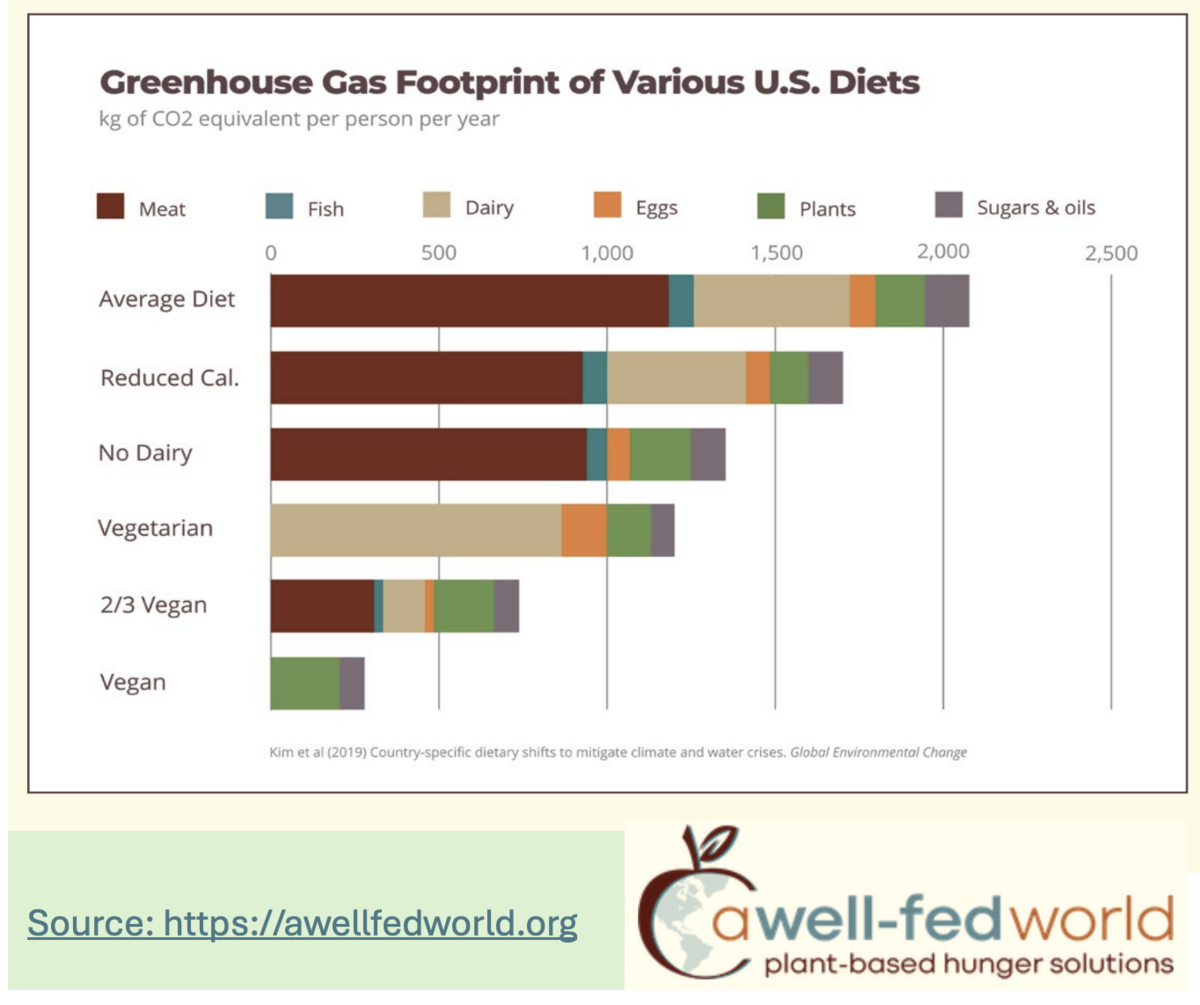
The greenhouse gas footprints of common U.S. dietary patterns are shown below. Even a two-thirds whole-food, plant-based diet has about one-third the carbon footprint of the average U.S. diet. A PEL-100 diet—fully whole-food, plant-based—reduces emissions even further, to roughly one-eighth of the footprint of the typical American diet (source: A Well-Fed World at https://awellfedworld.org).
As Simon Hill explains, if high-income countries transitioned to plant-based diets, half of all agricultural land currently used for livestock could be restored to natural ecosystems—one of the most powerful levers we have for climate repair.
3. Livestock Is a Major Driver of Climate Change
Animal agriculture produces more greenhouse gases than the entire global transportation sector combined (A Well-Fed World, 2024). Major climate mechanisms include:
- Methane from cattle digestion
- Nitrous oxide from manure and fertilizers
- CO₂ from deforestation, burning, and land conversion
Methane, in particular, has over 80 times the warming potential of CO₂ over 20 years.
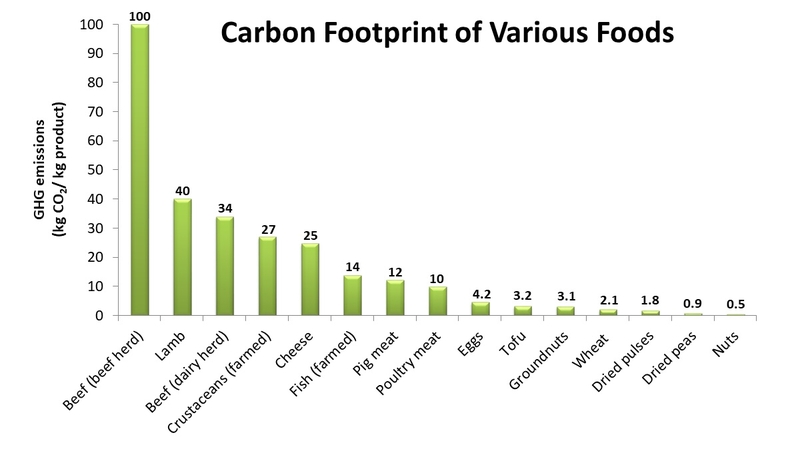
The EAT-Lancet Commission concluded that shifting toward plant-rich diets is essential for meeting the Paris Climate Agreement and keeping global warming below catastrophic thresholds (EAT-Lancet, 2019).
The PEL Diet dramatically reduces emissions by eliminating or sharply reducing the highest-impact foods: beef, dairy, lamb, pork, and poultry.
Source
4. How the PEL Diet Cuts Water Use—and Prevents Aquifer Collapse
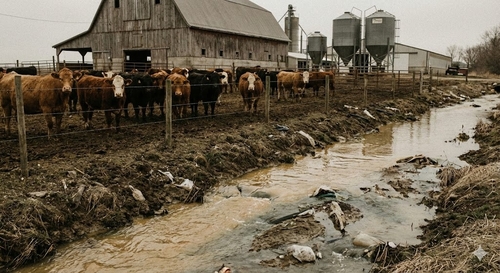
Producing beef requires up to 2,000 gallons of water per pound due to irrigation, feed crops, and processing (A Well-Fed World, 2024). Dairy and poultry are also water-intensive.
In contrast:
- Beans, lentils, and most plant foods require 10–50 times less water.
- Whole-food, plant-based eating reduces agricultural water use by 30–70%, depending on the region.
This reduction directly slows the depletion of rivers, lakes, and groundwater systems already strained by climate change.
5. Protecting Biodiversity: Eating Plants Saves Species
Livestock production is the number one cause of species extinction risk worldwide (IPBES, 2019). Habitat destruction for grazing and feed crops wipes out populations of mammals, birds, amphibians, insects, and plants.
A shift to the PEL Diet:
- Reduces pressure on biodiversity hotspots.
- Allows ecosystems to regenerate.
- Protects pollinators essential for global food production.
- Reduces chemical and antibiotic runoff poisoning waterways.
Restoring land previously used for livestock is one of the fastest ways to rebuild living ecosystems.
6. A Food System That Works With Nature—Not Against It
The PEL Diet aligns human health with global ecological health:
- Less land required
- More forests restored
- More climate stability
- Less pollution
- Cleaner water
- More biodiversity
- Healthier soils
- A safer, more resilient global food supply
Solving hunger and solving climate change require the same dietary shift: moving away from resource-intensive animal agriculture toward equitable, plant-based food systems: plant-forward diets are essential for a future where both people and the planet can thrive.
The science is no longer ambiguous.
Eating mostly or entirely plants is not just a personal health decision—
it is an environmental necessity.
References
- A Well-Fed World. 2024. Factory Farming, Climate Change & Global Hunger. https://awellfedworld.org/
- EAT Forum / EAT-Lancet Commission. 2019–2023. Food, Planet, Health. https://eatforum.org/
- The Proof / Simon Hill. 2023. Environmental Impacts of Diets and Climate Solutions. https://theproof.com/
- Barona, E., et al. (2010). The role of pasture and soybean in deforestation of the Brazilian Amazon.
- Poore, J., & Nemecek, T. (2018). Reducing food’s environmental impacts through producers and consumers.
- IPBES (2019). Global Assessment Report on Biodiversity and Ecosystem Services.